18 Oddjob
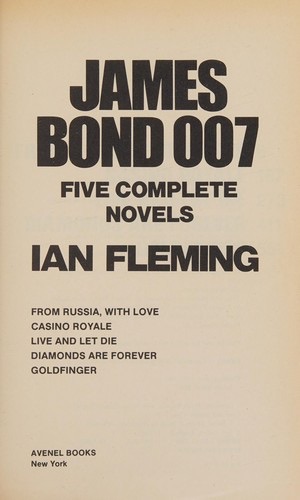
On the page: Goldfinger (1959).
Oddjob’s physical identity rests on an immense torso, formidable arms, heavily conditioned hands and blackish teeth. The text makes his body itself a weapon. A precise height of 5 ft 6 in is not supported by the cited description; the demonstrable facts are his mass, strength and extraordinary bodily conditioning. [22]
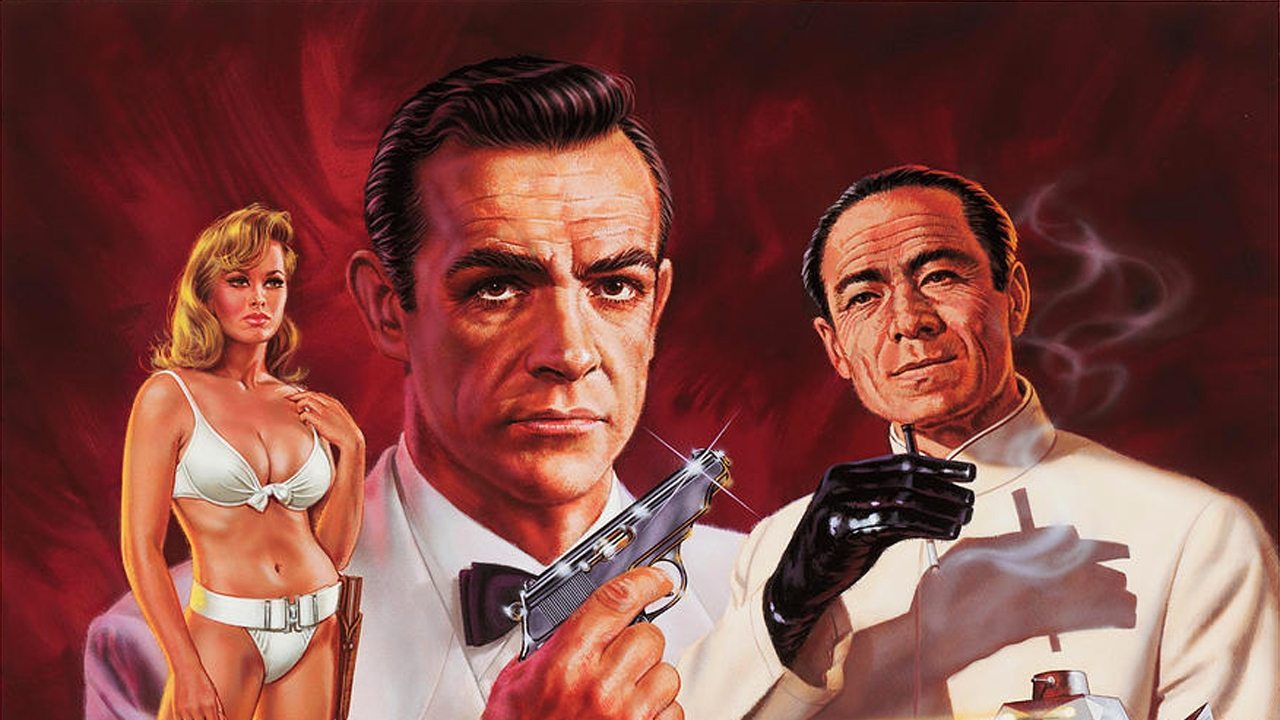
On screen: Harold Sakata in Goldfinger (1964). [23]
Sakata provides one of the series’ closest matches in sheer bodily conviction. His stillness is part of the effect: he does not need to advertise strength continuously. The actor was also an Olympic silver medallist and professional wrestler, a background that makes the casting especially apt. [38]
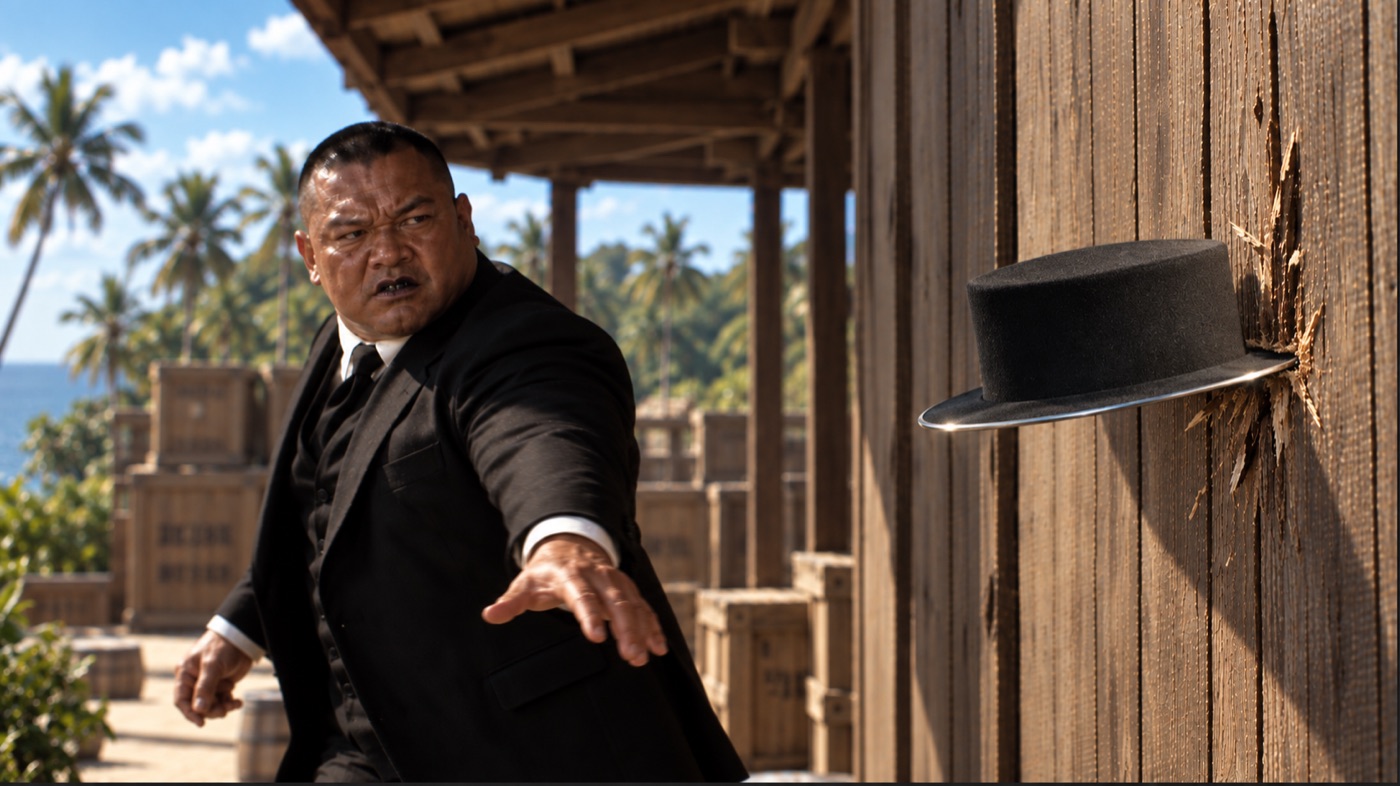
The bowler weapon comes from Fleming, but its demonstration needs a correction. In the novel, Oddjob throws it into wooden panelling. The decapitated stone statue is the film’s memorable demonstration. A portrait with that statue is therefore borrowing cinematic imagery even if the hat itself is literary. [22, 38]
This distinction is a useful way to end the gallery. Adaptation rarely divides neatly into an entirely faithful character and an entirely invented one. The same figure can retain physique, costume and weapon while changing the scene that makes them unforgettable. Oddjob also shows why textual fidelity requires judgement: Fleming’s dehumanising racial language should be identified as prejudice, rather than translated into ever more exaggerated anatomy.