Every prospective James Bond faces the same examination. Does he look right in a tuxedo? Can he handle the action? Can he deliver the famous introduction without sounding as though he is ordering a replacement credit card?
Then comes the question that follows every casting rumour: how old is he?
A younger actor might have decades of adventures ahead. An older one might bring the authority of a man who has already survived a few. Bond's history offers support for both approaches — and some entertaining contradictions.
The youngest Bond made just one film. The oldest newcomer made seven. And deciding who stayed longest requires a small investigation of its own.
Sean Connery: Never Say Retirement
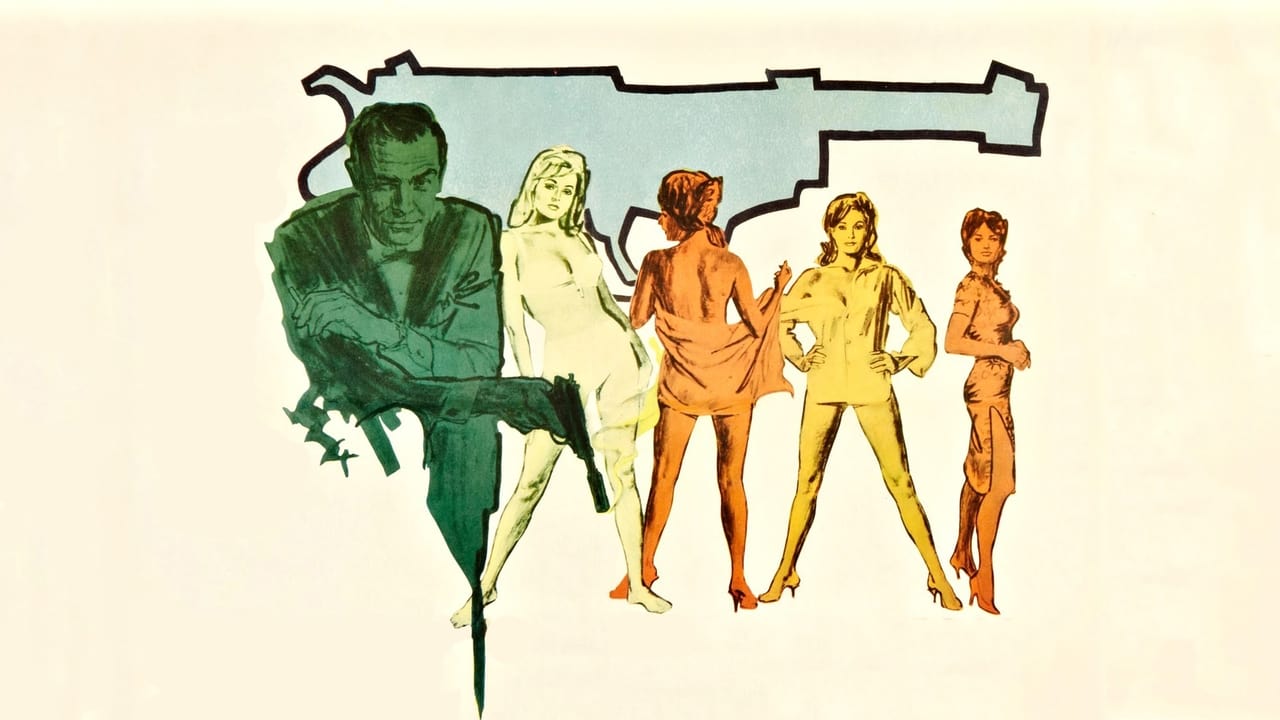 Image: TMDB
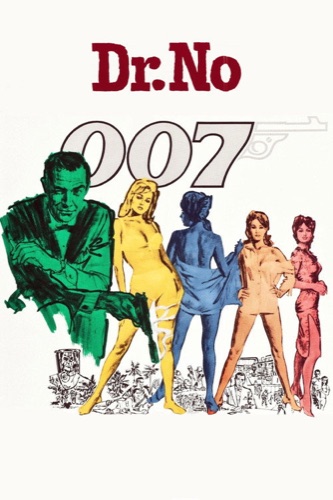
Sean Connery was 31 when his casting was announced in November 1961, and 32 when Dr. No opened in 1962. Watching him now, that youth can be surprisingly difficult to reconcile with his presence. His Bond seems to have emerged fully formed, already comfortable with casinos, danger and telling other people what to do.
Connery established the role across five films before stepping away after You Only Live Twice. He then returned for Diamonds Are Forever in 1971, his sixth and final appearance in the main EON series.
He was just 41 when that film was released. In other words, the original Bond finished his main-series career younger than Roger Moore was when he started.
But Connery's retirement came with a sequel clause. In 1983, he returned in the independently produced Never Say Never Again, aged 53 at release. That gave him seven theatrical Bond performances and a remarkable 21-year span between his first and last appearances.
It was not an uninterrupted run, but it was a convincing demonstration that handing back the licence to kill did not necessarily mean surrendering it forever. Casting announcement · Bond career history
George Lazenby: One and Done at Thirty
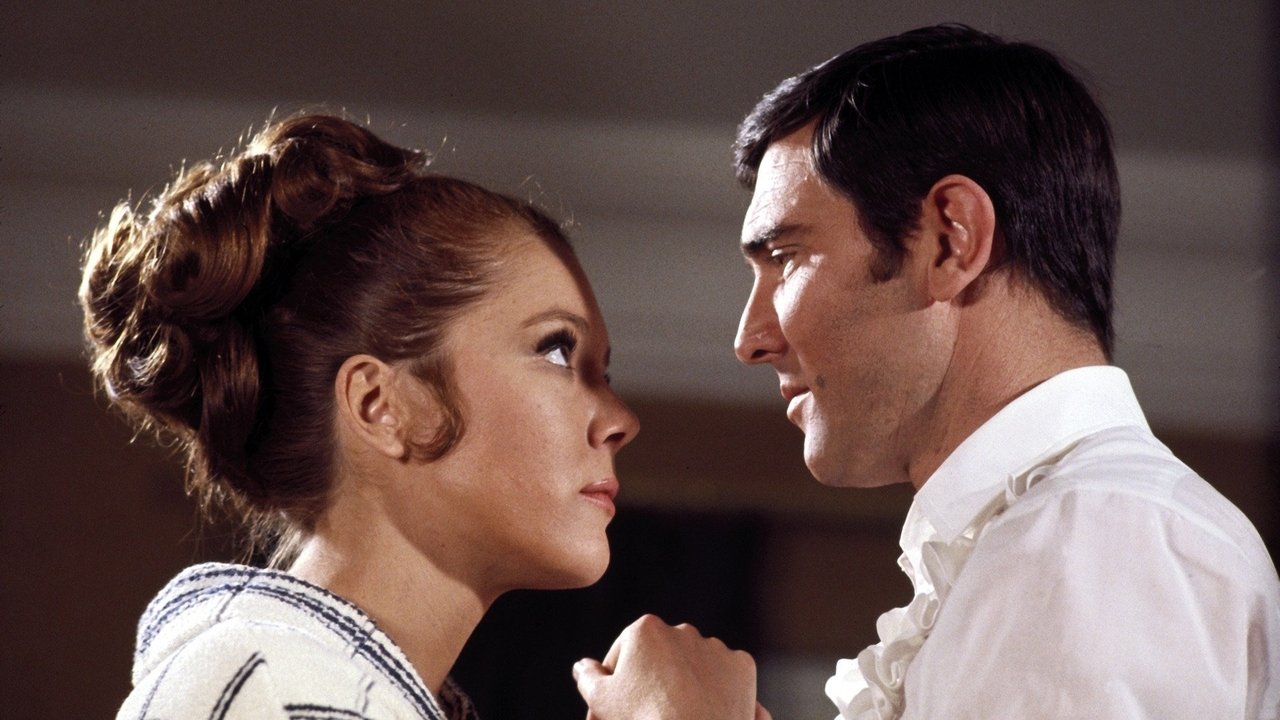 Image: TMDB
George Lazenby was 29 when publicly unveiled as Bond in October 1968, and 30 when On Her Majesty's Secret Service reached cinemas in 1969. That makes him the youngest of the six principal actors at the release of his debut film.
It is worth distinguishing the public unveiling from the earlier selection process, which is why accounts sometimes attach a younger age to his casting.
On paper, Lazenby had time for a substantial career as 007. Instead, his first film was also his last. While other Bonds accumulated sequels, his entire screen legacy rested on a single performance.
That makes him an awkward case for anyone arguing that youth is the key to securing the franchise's future. Casting a younger actor creates room for a long run. It does not guarantee that either the actor or the producers will want to use it.
Lazenby entered Bond history with the longest potential runway — and took the earliest exit. Lazenby's career · Bond career history
Roger Moore: Better Late Than Never
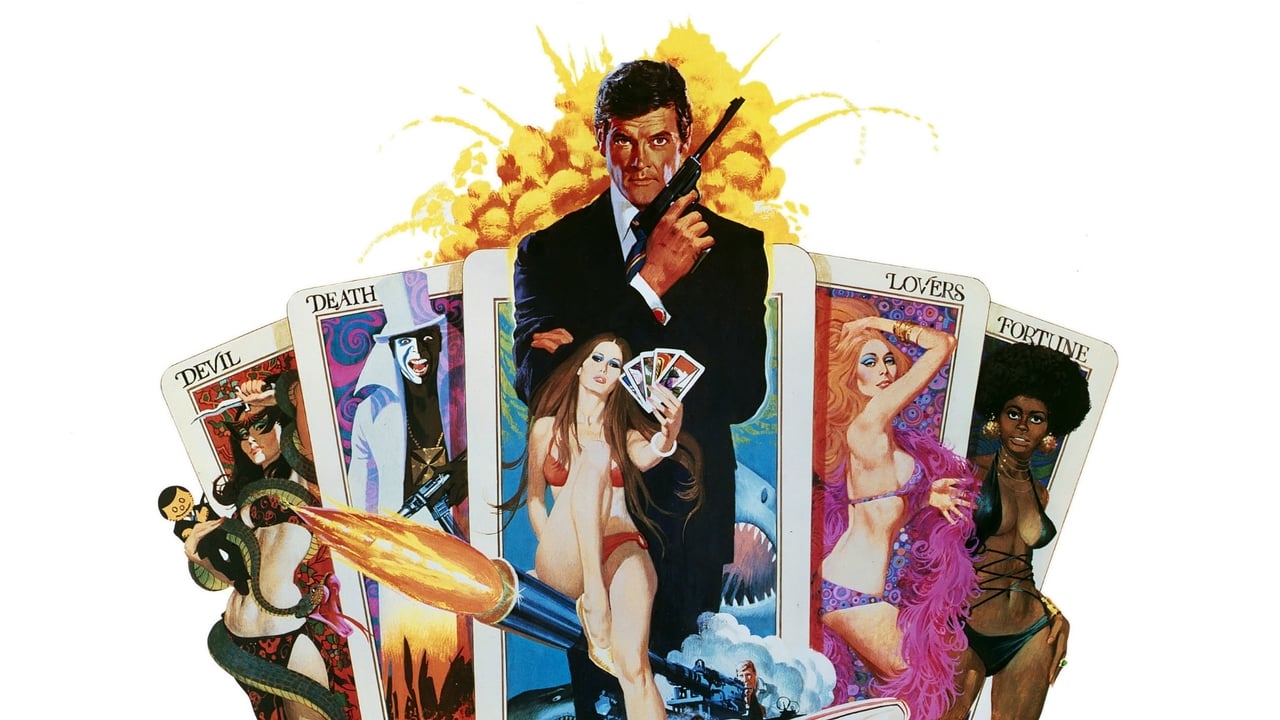 Image: TMDB
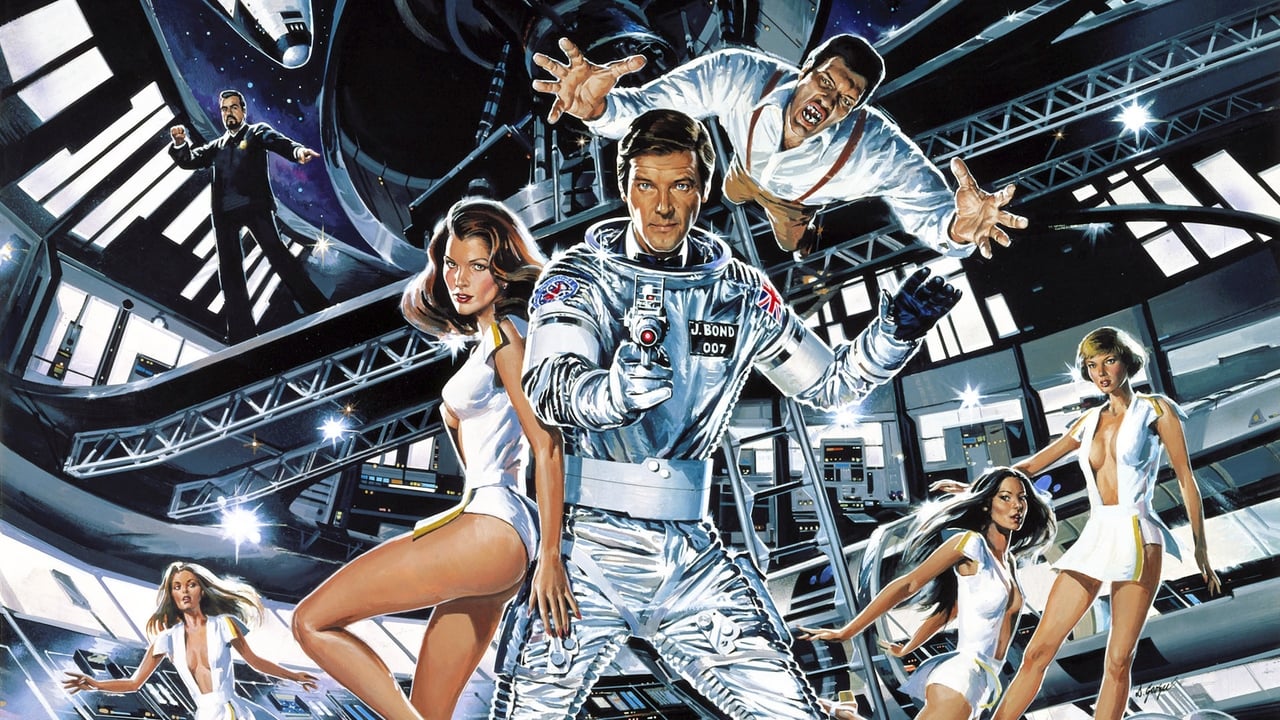
Roger Moore was 44 when introduced as the new Bond in August 1972, and 45 when Live and Let Die opened the following year. Among the six main-series actors, nobody arrived in the role older.
Nobody made more films, either.
Moore completed seven Bond adventures between 1973 and 1985, finishing with A View to a Kill at 57. He holds both the record for the most films in the main series and the oldest age at a final main-series release.
There is an especially pleasing twist in the succession: Moore was born in 1927, three years before Connery. The replacement was older than the original.
His performance made experience part of the attraction. Moore's Bond rarely seemed overwhelmed by events. Whether facing a villain's elaborate explanation or another improbable escape, he generally looked as though he had encountered something similar before — and found it faintly amusing.
A late start did not prevent him from building the series' biggest filmography. The eyebrow, evidently, had considerable mileage left in it. Moore's casting · Biography and filmography
Timothy Dalton: Two Films, Five Years on Hold
 Image: TMDB
Timothy Dalton was 40 when cast in 1986, 41 when The Living Daylights opened, and 43 when Licence to Kill followed in 1989.
Those dates make his Bond career look like a quick appointment: two films in two years, then out. Behind the scenes, the goodbye took considerably longer.
Legal and business disputes stalled the series, and a third Dalton film never materialised. He formally announced his departure in 1994, when he was 48 — five years after his last film had reached cinemas.
Dalton therefore exposes a problem with the apparently straightforward question of how old an actor was "when he stopped being Bond". He was 43 at his final release, but 48 when he publicly left the job.
His service record contains fewer completed missions than years of uncertainty. Sometimes, even James Bond ends up waiting for the paperwork.
One detail matters when checking the numbers: these ages use Dalton's birth date of 21 March 1946, supported by research into his birth registration. Some older accounts give a different year. Birth-date research · The unmade third film · Departure announcement
Pierce Brosnan: The Man Whose Moment Came Twice
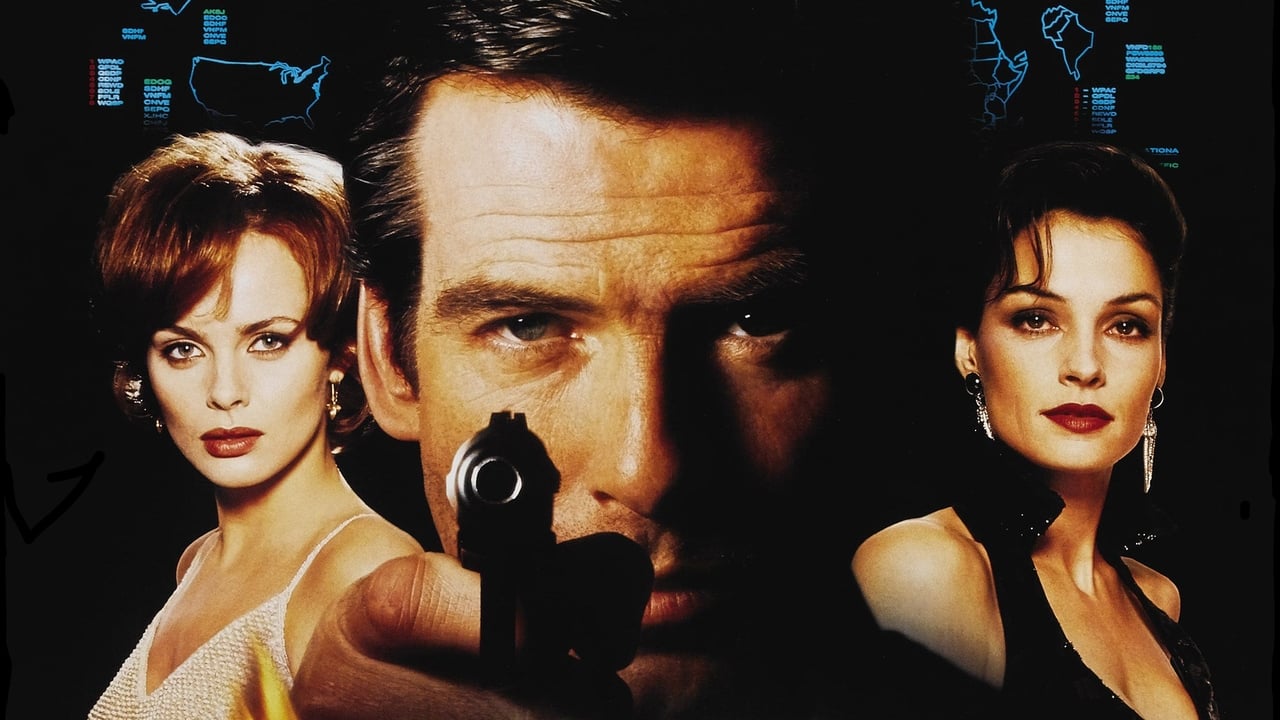 Image: TMDB
Pierce Brosnan almost became Bond in 1986, but his commitments to Remington Steele prevented the appointment. When the opportunity returned eight years later, he was 41 at his official unveiling in June 1994.
By the release of GoldenEye in 1995, he was 42.
Brosnan went on to make four films, finishing with Die Another Day in 2002 at 49. His departure became public in 2004, when he was 51. As with Dalton, his last opening night and the end of his tenure were separate events.
His story is particularly useful whenever a prospective Bond is declared to have "missed his chance". Brosnan did miss an opportunity — and subsequently returned to claim the role anyway.
Had the first deal worked out, audiences would have met a Bond in his thirties. Instead, they got a newcomer in his forties, with years of additional experience and a performance that made the delayed appointment look perfectly natural. Casting history · Brosnan's career
Daniel Craig: The Long Goodbye
 Image: TMDB
Daniel Craig was 37 when announced in October 2005, and 38 when Casino Royale arrived in 2006. His final film, No Time to Die, reached cinemas in 2021, when he was 53.
That gives him roughly 16 years from unveiling to farewell release, making his the longest uninterrupted tenure among the six principal Bonds. Measured from his first film to his last, his run lasted approximately 15 years.
Yet Craig made five films, fewer than Moore's seven or Connery's six in the main series. Time in the job and completed assignments are different records.
His final outing also illustrates how release schedules can complicate age comparisons. Craig was 51 during principal photography in 2019. By the time the delayed film finally reached audiences, he was 53. The man attending the premiere was two years older than the man performing the scenes.
For an actor whose Bond spent so much time confronting the physical cost of the job, it was a fittingly complicated farewell. Even after the work was finished, the clock kept running. Craig's career · No Time to Die production history
Who Stayed Longest? It Depends Who Is Counting
Roger Moore wins on completed assignments: seven films in the main series.
Daniel Craig wins on uninterrupted tenure: 2005 to 2021, from announcement to final release.
Sean Connery wins on the distance between first and last theatrical appearances: 1962 to 1983, provided Never Say Never Again is included. With that comeback counted, he also matches Moore's seven films.
George Lazenby occupies the opposite end of the record book: the youngest debut and the shortest screen career.
These distinctions matter because "longest-serving Bond" sounds like a single title. In practice, three actors can make a reasonable claim, depending on the rules.
The Next Bond's Real Enemy: The Calendar
Across the six principal actors, the average age at a first film's release was 38. Three debuted in their forties. None was under 30 when his first film opened.
That leaves plenty of historical room for the next casting decision. A newcomer in his thirties would fit comfortably within tradition. One in his forties would hardly be unprecedented.
The more revealing question is how long the next series will take to make.
Imagine an actor debuting at 35 and completing five films at three-year intervals. He would be 47 by the final release. Start that same schedule at 40, and he would finish at 52. Those are illustrations, rather than predictions, but they show why the production calendar matters as much as the casting announcement.
When the next Bond is unveiled, his age will inevitably become a headline. Perhaps the question should be how old he will be when he orders his fifth film's first martini.